
experts in Armenian technical translations
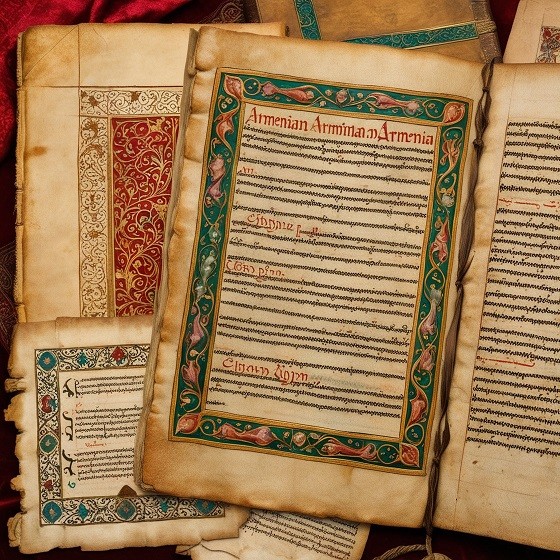
ATT offers the services of experienced and professional translators of the Armenian language of various subjects and specializations. All of them are able to perform high-quality and professional translations of standard and custom specialized texts in the fields they specialize. The main task of our technical translation bureau is to unite and direct the work of various specialists. And also control of the translation process and the subsequent editing of the completed translation, the so-called revision of the translation by an editor.
800K
Documents succesfully translated
110+
Regular customers
98%
Grateful testimonials
24/7
We work on your orders
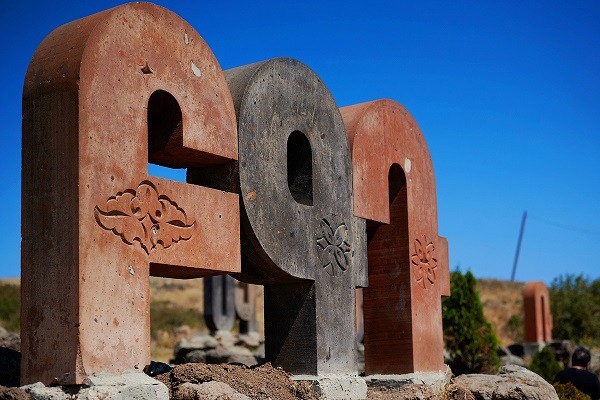
We have been performing translations of various complexity levels since 2001. Over these years we have participated in a large number of translation projects, some of which included the Armenian language. We mainly translate from Russian into Armenian but we have had other pairs of translations: from English to Armenian, from Armenian to French and other languages.
We try to employ not just any translator-philologist in each area of specialization, but a specialist who has significant experience in that particular field. A musician, for example, is unlikely to be able to translate a charter or a non-disclosure agreement. A builder or a mechanic will be useless in translating an article about a toothache. Apart from knowledge of a foreign language, in this case, Armenian, you need to possess a huge database of special terms which are required and used exactly in the project you need. Also, a non-native speaker is unlikely to be able to translate into Armenian well and it’s better to rely on a Russian-speaking translator who is best suited to pick the right term or vocabulary to accurately describe the data to be translated.
Our Pricing
MT/AI translation and proofreading
€
0,05
/word

best speed and price
average quality
automation
for everyday use
Professional Translation
€
0,08
/word

file preparation
translation
quality control

signed/stamped certification
complicated file formats
Premium translation
€
0,12
/word
translation
editing
quality control
formatting included
any delivery format
Video ABOUT OUR SERVICE
Coming soon…
What do you order most often?
If we exclude purely notarial translations of documents, most of the orders of technical nature in our translation company were connected with marking, labelling and packaging of Russian products for delivery to Armenia. Hundreds of labels of all kinds of confectionery products, cereals and various sunflower oils have been translated by us over the years of work. Powers of attorney and consent for legal actions between citizens of the Russian Federation and the Republic of Armenia have been translated frequently. Medical extracts from hospitals in the Republic of Armenia have been translated several times. There have been translations of multilingual instructions from English into Armenian, among others. In terms of technical translation, the Armenian language was almost never used. Most technicians use Russian or English rather than Armenian when commissioning construction equipment, for example.
SOME OF OUR CUSTOMERS






Frequently Asked Questions
What qualifications do your translators have in handling technical translations to and from Armenian, especially for fields like engineering, medical, or IT?
Our translators are native Armenian speakers with specialized training in various technical domains. They hold advanced degrees and have significant experience in areas such as engineering, medical, and IT. For instance, we have translators who have worked on detailed engineering schematics, medical research documents, and IT software guides. This ensures they are well-versed in the specific terminology and standards required for precise translations.
How do you maintain the precision and uniformity of technical terms in your Armenian translations?
We implement a strict quality control process to maintain precision and uniformity in our translations. This involves using specialized translation tools and industry-specific terminology databases. Each translation is reviewed by subject matter experts and senior linguists. Additionally, we create and use client-specific glossaries and style guides to ensure consistency in the use of technical terms across all documents.
What steps do you take to ensure the confidentiality and security of sensitive technical documents during translation?
We take the confidentiality and security of your documents very seriously. Our security measures include encrypted file transfers, secure servers, and strict access controls. All our translators and staff are bound by non-disclosure agreements (NDAs) to maintain confidentiality. Additionally, we comply with international data protection standards, such as GDPR, to protect your information throughout the translation process.
What are your usual turnaround times for technical translations to and from Armenian, and do you offer rush services for urgent needs?
Our standard turnaround time for technical translations depends on the complexity and length of the document, but we generally complete projects within 5-7 business days. For urgent needs, we offer rush services that can deliver translations within 24-48 hours. We collaborate closely with our clients to meet their deadlines while ensuring high-quality results.
2 responses to “Armenian language translation”
-
Can you share examples of past technical translation projects you’ve handled for clients needing Armenian translations?
-
Certainly, we can provide case studies and references from clients who required Armenian translations. For example, we have successfully translated engineering plans for construction firms, patient brochures for healthcare providers, and user manuals for software companies. These projects involved intricate technical content, and we ensured that our translations were accurate and met the client’s expectations.
-


Testimonials

This is not the first time I have come to this office. Everything is always quick, clear, the employee is very polite and it is always a pleasure to come back here.

Lucia Grey
Armenian to Russian
Excellent translation agency. Translation of diploma with additions from En to Am was done good and quickly. The prices are reasonable. The staff is very polite and courteous.

Alberto Marazzi
English to Armenian
Have a PROJECT?
Contact us any time to get free quatation and all the answers to your possible questions.

Leave a Reply