
experts in Kazakh technical translations
ATT offers the services of experienced and professional translators of the Kazakh language of various subjects and specializations. All of them are able to perform high-quality and professional translations of standard and custom specialized texts in the fields they specialize. The main task of our technical translation bureau is to unite and direct the work of various specialists. And also control of the translation process and the subsequent editing of the completed translation, the so-called revision of the translation by an editor.
800K
Documents succesfully translated
110+
Regular customers
98%
Grateful testimonials
24/7
We work on your orders

We have been performing translations of various complexity levels since 2001. Over these years we have managed to participate in a large number of translation projects, many of which involved the Kazakh language. Mostly we translated from Russian into Kazakh, but we have encountered other pairs of translations as well: from Kazakh into Kazakh, from Kazakh into Chinese, Korean, and other languages. We have established friendly relations with some translators and translation agencies from Almaty, Ust-Kamenogorsk and other cities in Kazakhstan, thus we are able to translate almost any language pair through the Kazakh language.
In each area of specialization, we strive to employ not just any translator-philologist, but a specialist, who has significant experience in the work of the required speciality. For example, a music specialist is unlikely to be able to translate a charter or a non-disclosure agreement. A builder or a mechanic will be useless in translating an article about a toothache. In addition to knowledge of a foreign language, in this case, the Kazakh language, you need to possess a huge database of special terms, necessary for use and used specifically in the project you are looking for. Moreover, a non-native speaker of the Kazakh language is unlikely to be able to make a high-quality translation into this language, as well as translation from the Kazakh language is best left to a Russian-speaking translator who can best select a term or a vocabulary for a clear description of what is being translated.
Our Pricing
MT/AI translation and proofreading
€
0,05
/word

best speed and price
average quality
automation
for everyday use
Professional Translation
€
0,08
/word

file preparation
translation
quality control

signed/stamped certification
complicated file formats
Premium translation
€
0,12
/word
translation
editing
quality control
formatting included
any delivery format
Video ABOUT OUR SERVICE
Coming soon…
What do you order most often?
If we exclude purely notarial translations of documents, the most technical orders we receive are in the field of product marking, labelling and packaging of Russian products to be delivered to Kazakhstan. We have translated hundreds of labels for all kinds of confectionery products, cereals, and various types of sunflower oil over the years. We have also often translated powers of attorney and consents for legal actions between citizens of the Russian Federation and Kazakhstan. Several times we have seen medical extracts from hospitals in the Republic of Kazakhstan. There have been translations of multilingual instructions from English into Kazakh, among others. If we are really talking about technical translation, the Kazakh language was practically not used here. Most of the technical specialists in brewing equipment commissioning, for example, use the Russian language, not Kazakh. But this is not surprising, since Russian is familiar to a large part of Kazakhstan’s population.
Interesting facts about KAZAKHSTAN
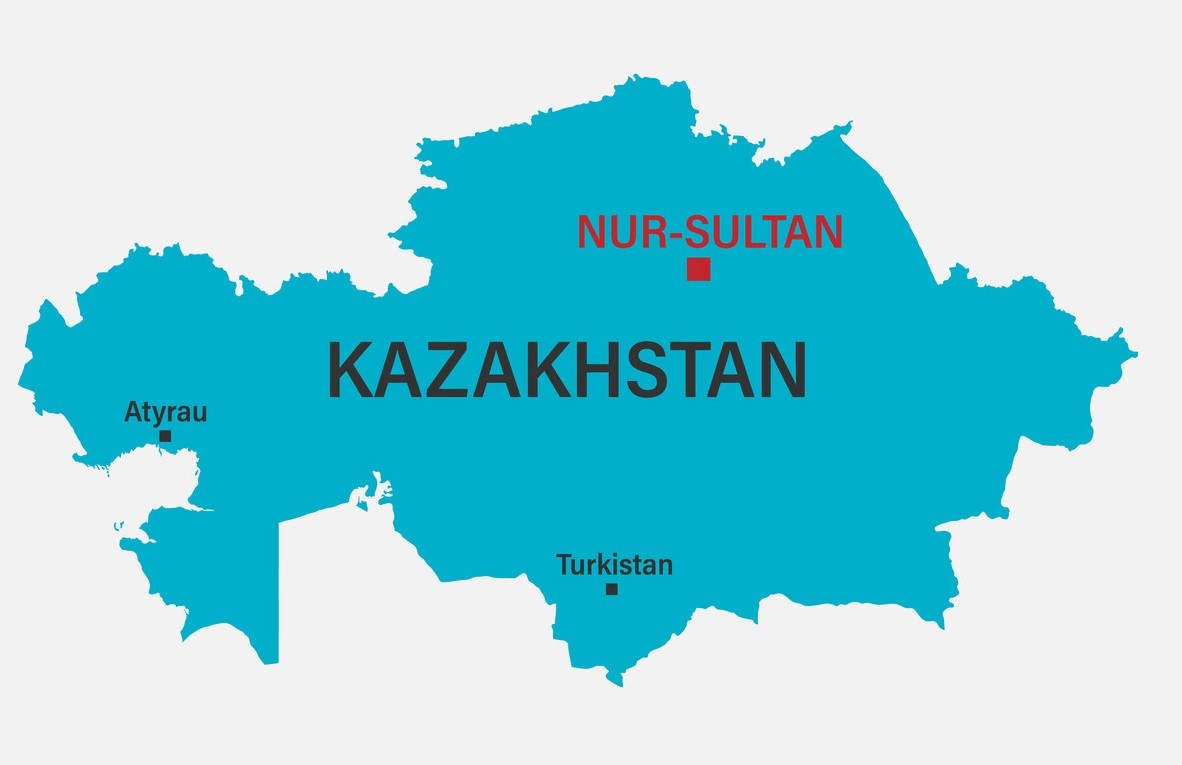
Kazakhstan is a country with a rich historical and cultural past, to which everyone wants to return. It is not only endless steppes, magnificent nature and diverse cuisine. We have prepared a small selection of interesting information to remind about the peculiarities of the country.
Some facts about the language you probably didn’t know
- Kazakh is a Turkic language that is spoken primarily in Kazakhstan, but also in Russia, China, Mongolia, Turkey, and other countries.
- It is written in the Cyrillic alphabet, but efforts have been made to transition to the Latin alphabet.
- Kazakh is an agglutinative language, meaning that words are formed by adding suffixes to a root word, rather than using separate words to convey meaning.
- It has vowel harmony, which means that the vowels in words must match in terms of front/back and high/low.
- Kazakh has several dialects, including Northeastern, Northwestern, Southern, and Southeastern.
- It has borrowed words from Persian, Arabic, Russian, and other languages over time.
- The Kazakh language has a rich oral tradition, including epic poetry and storytelling.
- Kazakh is the official language of Kazakhstan and is one of the two official languages of the Kazakh Autonomous Region in China.
- It is estimated that there are around 11 million speakers of Kazakh worldwide.
- The Kazakh language has a unique sound system that includes many different vowel and consonant sounds, including the “shch” sound which is not present in English.
SOME OF OUR CUSTOMERS






Frequently Asked Questions
Are your Kazakh translators native speakers? I need the translations to sound natural, not stiff or awkward.
All our Kazakh translators are native speakers. They live and breathe the language every day, so your translations will come across as totally natural—just like they were written in Kazakh from the get-go.
How familiar are your translators with Kazakh culture? I want to make sure my content resonates with the local audience, not just gets translated.
Our translators don’t just know the language; they know the culture inside and out. Whether it’s a subtle nuance or a cultural reference, we make sure your content feels right at home for your Kazakh audience.
Do your translators know how to handle specific industry terms in Kazakh? My project’s got a lot of specialized lingo that needs to be spot on.
Absolutely, we’ve got that covered. Our team includes specialists who are pros at industry-specific translations, whether it’s legal, medical, technical—you name it. Your specialized terms will be translated accurately and clearly.
How do you ensure the translations are accurate and maintain the tone of the original content? I don’t want anything getting lost in translation.
We’re all about quality and precision. Our process includes multiple checks: initial translation by a native expert, a thorough review by a second translator, and a final quality check. We make sure your content’s tone, style, and message stay intact.
2 responses to “Kazakh language translation”
-
What’s your turnaround time for Kazakh translations? I’ve got a tight deadline and need to know if you can deliver on time without cutting corners.
-
We totally get how critical deadlines are. We’ll work with you to set a timeline that meets your needs, without compromising on quality. And if you’re in a rush, we’ve got express options to ensure you get top-notch work, right on time.
-


Testimonials

This is not the first time I have come to this office. Everything is always quick, clear, the employee is very polite and it is always a pleasure to come back here.

Lucia Grey
Kazakh to Russian
Excellent translation agency. Translation of diploma with additions from En to Kz was done good and quickly. The prices are reasonable. The staff is very polite and courteous.

Alberto Marazzi
English to Kazakh
Have a PROJECT?
Contact us any time to get free quatation and all the answers to your possible questions.

Leave a Reply